
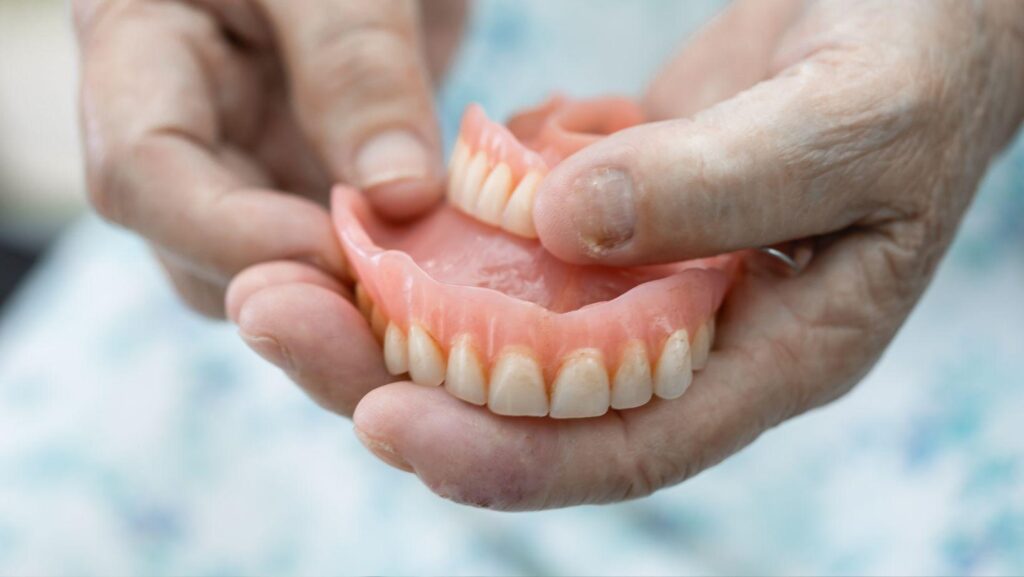
Sick of dentures slipping when you talk or chew? Snap-in dentures latch onto implants, giving you way more stability than those old-school plates.
If you want a denture that actually stays put, snap-in options use implanted anchors and replaceable attachments. These hold the prosthesis firmly in place.
This post digs into how those anchors work and what sets snap-in designs apart from regular removable dentures. If you're still torn, this breakdown of snap-in dentures vs. permanent implants lays out the trade-offs side by side. I'll walk through practical tips, clear comparisons, and what you should ask your dentist before making a call.
How Snap-In Dentures Are Designed To Prevent Shifting
Snap-in dentures use anchored fixtures, smart attachment shapes, and tough materials to keep your prosthesis locked in place. But you can still remove them for cleaning.
Each design detail controls a specific kind of movement. The idea is to stop lifting, sliding, and rocking while you eat or talk.
Implant Attachment Mechanism
The denture connects to two to four titanium implants in your jaw. Each implant has a locator or ball-style attachment that snaps into a matching socket inside the denture.
This male–female fit creates retention through a mechanical interlock. No messy adhesives or constant suction needed.
How strong the fit feels depends on the number and placement of implants. Implants in the front and sides help resist vertical lift and back-and-forth movement.
If your bone quality or bite needs more support, your dentist might add a bar attachment. They can also tweak the locator's height and tightness to balance easy removal with a secure fit.
Maintenance is key. Nylon inserts (retention caps) inside the denture wear out over time, but you can swap them to restore the fit.
Regular checkups help keep attachments aligned and implants healthy.
Stability During Everyday Activities
Snap-in dentures fight three main types of movement: lifting, sliding, and rocking. The implants absorb most of the chewing force, so your denture stays put when you bite, talk, or laugh.
You should notice less shifting than with tissue-supported dentures, especially when you eat tougher foods.
Proper implant placement spreads chewing forces into the bone. That means less pressure on your gums and fewer sore spots.
Speech often improves, since the base doesn't rely on suction to stay in place. You'll probably notice less slippage when saying tricky consonants.
Follow your dentist’s advice on bite adjustments and easing into new foods. It’s smart to skip super sticky or hard stuff while everything heals.
Material Innovations
Manufacturers use tough acrylics, reinforced polymers, and flexible nylon liners for a comfy but strong denture. The base might have metal or fiber inside to cut down on flexing.
Less flex means fewer tiny movements that could loosen the attachment. Locator housings use wear-resistant plastics or metal to last longer.
Retention inserts come in different stiffness levels, so your dentist can pick what works for your hands and grip. Newer materials also fight bacteria and stains, which helps keep things clean between dental visits.
You’ll probably need to replace parts every so often, but not the whole denture. Swapping out worn inserts or relining the base brings back that snug fit.
Comparing Snap-In Dentures To Traditional Removable Dentures
Snap-in dentures attach to dental implants and lock in place. Traditional removable dentures just sit on your gums and rely on suction or sticky adhesives.
You’ll notice differences in stability, chewing, speech, and daily care.
Comfort And Fit Differences
Snap-in dentures fasten to two to four implants, so the prosthesis stays put and doesn’t rub your gums raw. You’ll feel less movement when you talk or eat, and pressure spreads to the implants instead of your soft tissue.
Traditional dentures rest on your gum ridge and palate. They can cause sore spots and often need adhesive to feel secure.
If you’ve lost a lot of jawbone, you might need bone grafting before getting implants. Traditional dentures skip the surgery, but you pay for that with more adjustments and sore gums down the line.
Impact On Chewing And Speech
Snap-in dentures let you chew with way more force than regular dentures. Since they lock onto implants, you can tackle firmer foods—meat, apples, crusty bread—without worrying they’ll slip.
Speech usually comes out clearer with snap-in designs, since the denture stays in place during all those tongue and lip movements. Less clicking, less effort to keep them steady.
Traditional dentures can make chewing tougher and might limit what you eat. They also tend to shift, which can mess with your speech. It often takes practice to get used to talking with a looser appliance.
Maintenance Requirements
You’ll need to clean snap-in dentures every day and keep the implant abutments tidy. That means taking them out, brushing attachments, and using floss or interdental brushes around the implants.
Plan on regular dental visits to check implant health and replace worn parts. Most folks swap out nylon inserts or repair housings every year or two, depending on wear.
Traditional dentures need nightly soaking and brushing, plus relines or remakes as your jawbone changes. You’ll probably use adhesives more often and see your dentist for frequent adjustments if sore spots pop up.
Candidacy And Benefits For Patients
Snap-in dentures attach to two to four implants for a stable, removable prosthesis. You can expect better chewing, clearer speech, and easier daily cleaning than with traditional dentures.
Who Is Eligible
You’re a good candidate if you’ve got enough jawbone for implants or you’re open to bone grafting. Most people who struggle with unstable lower dentures or need lots of adhesive benefit the most.
Your general health matters too. Folks with controlled diabetes and non-smokers usually see better results, while anyone with uncontrolled health issues might need medical clearance.
Cost and patience play a role—implants take months and several dental visits to complete.
At your evaluation, your dentist will check bone volume with X‑rays or CBCT, look at your gum health, and review your medical history. Expect a plan tailored for you, including the number of implants, attachment type, and a rough timeline.
Long-Term Oral Health Advantages
Implant support helps preserve your jawbone. It does this by pushing chewing forces into the bone, which slows down the bone loss that usually follows losing a tooth.
Keeping your jawbone healthy means your facial structure sticks around longer. Prosthetics also tend to fit better over the years.
You’ll probably notice a stronger bite force. Eating a wider variety of foods gets easier, so your nutrition can actually improve.
Speech often gets clearer, too. The denture stays put and doesn’t slide around when you’re talking—big relief if you’ve struggled with that before.
Taking care of these implants isn’t complicated. You just remove the prosthesis to clean it, and check in with your dentist now and then to make sure the implants and attachments are holding up.
Implants tend to cut down on the need for denture relines and sticky adhesives as time goes on. That’s one less thing to worry about.