
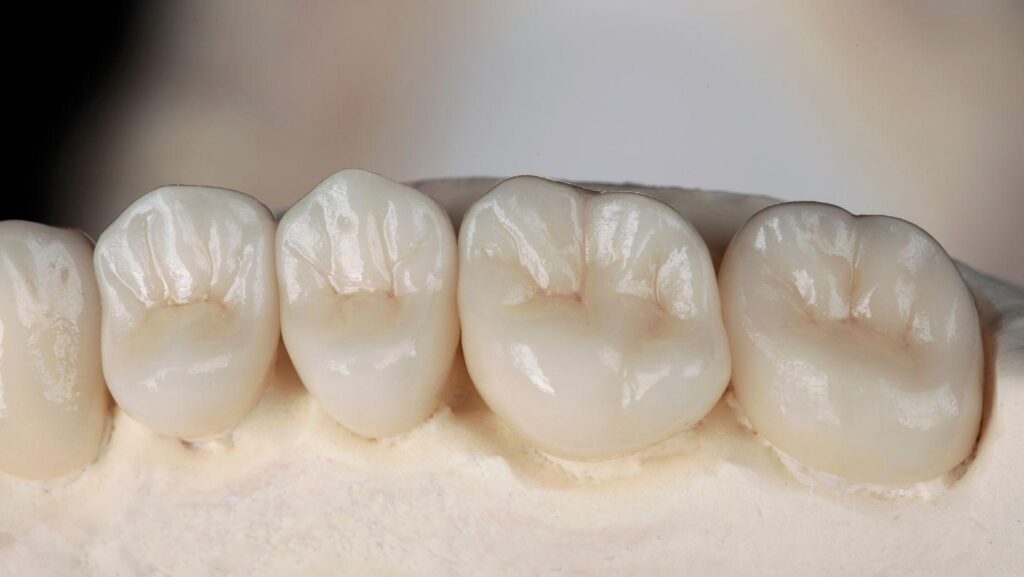
Deciding between same-day crowns and traditional crowns really depends on what you care about most. Do you want speed and convenience, or would you rather have more material options and lab-made customization?
Same-day crowns let you walk out of the dentist's office with a finished restoration in a single visit. Traditional crowns usually take two visits and rely on a dental lab to make the final crown. If you're weighing your options, it's worth talking to a provider who offers same day crowns in Anna, Texas, since availability and material choices can vary by practice.
Let's dig into how these two approaches differ in structure, what the patient experience actually feels like, cost and insurance quirks, and which situations call for one option over the other. Maybe you'll spot the crown that fits your schedule, budget, and long-term dental needs.
Key Structural Differences
Same-day and traditional crowns mostly differ in the materials used, how those materials get shaped and finished, and how long they hold up under chewing. These differences really affect fit, appearance, repairability, and which teeth each option makes sense for.
Fabrication Materials
Dentists usually mill same-day crowns from solid blocks of high-strength ceramic, like lithium disilicate or zirconia-based ceramics. These materials look good and wear well; lithium disilicate has great translucency for front teeth, while monolithic zirconia stands up to heavy chewing in the back.
Traditional crowns often use a layered approach—a metal substructure (gold or base metal), porcelain fused to metal (PFM), lab-milled zirconia, or layered glass ceramics. Lab processes allow for custom staining and porcelain layering, which helps with fine-tuned color matching that’s tough to pull off with a single-block mill.
If you need a perfect color match on a front tooth, lab-layered ceramics or PFM with custom porcelain could be the way to go. For a strong, single-piece ceramic on a molar, same-day monolithic zirconia or lab-milled zirconia both work well.
Manufacturing Techniques
Dentists make same-day crowns by taking a digital scan in your mouth, then designing the crown on a computer. A milling unit cuts the crown from a ceramic block, and the dentist glazes or polishes it right there before bonding it in place—all in one appointment.
With traditional crowns, your dentist takes a physical impression or a digital scan and sends it to a dental lab. Technicians build the crown by layering, pressing, sintering, or milling, then finish it by hand with staining and glazing. This process allows for more manual tweaks, but you’ll need at least two visits and a temporary crown in between.
Same-day workflows cut down on impression errors and usually deliver a tight fit. Lab-built crowns allow for more customization and can handle tricky bite or cosmetic needs a bit better.
Longevity and Durability
How long your crown lasts comes down to the material, your bite, and your oral hygiene, not just where it’s made. Monolithic ceramics in same-day crowns—especially zirconia—hold up well against fractures and chipping in back teeth.
Traditional lab-made crowns like PFM and layered-zirconia have a long track record of success when designed right. Porcelain veneers on zirconia can chip, and metal-based crowns rarely break but don’t look as natural.
If you grind your teeth, have a heavy bite, or need thicker materials, durability matters more. Both same-day and traditional crowns can last 10–15 years or more if you match the right crown to the right tooth and keep up with home care and dental visits.
Treatment Process and Patient Experience
Let’s talk about how each workflow actually feels. Appointment length, comfort during scanning and milling, and the kind of impressions you get all play a role. The differences affect how many times you go in, whether you need a temporary crown, and how your mouth feels during the whole thing.
Appointment Requirements
Same-day crowns usually need a single, longer appointment—expect two to three hours. Your dentist preps the tooth, takes a digital scan, mills the crown right there, and bonds it in place. You leave with a finished crown and don’t have to come back.
Traditional crowns take two appointments. At the first visit, your dentist preps the tooth, takes an impression or scan, and puts on a temporary crown. The lab makes the permanent crown, which comes back in one to three weeks for your second visit, when you get the real thing. You’ll have to deal with a temporary crown and another trip to the office.
Comfort and Convenience
Same-day crowns save you from wearing a temporary crown and making a second visit. That means you avoid annoyances like a temporary crown coming loose, feeling sensitive, or breaking. The tradeoff? You’re in the chair longer during that one appointment, but then you’re done.
Traditional crowns break up the work, so each visit is shorter. But wearing a temporary crown can lead to sensitivity, force you to watch what you eat, and make you worry about the temp falling out. Plus, there’s the hassle of extra trips and time off work.
Impression Methods
For same-day crowns, dentists usually use an intraoral digital scanner to capture the tooth and bite. Scanning feels faster and more comfortable than old-school putty impressions, and the digital file goes straight to the milling unit or lab. You get instant design tweaks and a clear view of the margins.
Traditional crowns may use putty impressions or digital scans sent to a lab. Putty impressions can pick up fine details but sometimes cause gagging or discomfort. When a lab’s involved, the turnaround takes longer because the model and crown have to be made off-site.
Cost Variables and Insurance Considerations
Cost depends on the material, whether the crown’s made in the office or a lab, and how many visits you need. Insurance usually treats both types of crowns about the same, but your coverage, deductible, and pre-authorization rules can change what you pay.
Pricing Factors
Material matters. Porcelain-fused-to-metal, all-ceramic, zirconia, and gold all come with different price tags. Zirconia and high-strength ceramics often cost more than PFM but look better and last longer.
Technique changes the fee, too. Same-day crowns cut out lab fees and extra appointments but may include equipment surcharges. Traditional crowns add lab costs, charges for the temporary crown, and sometimes more visits for adjustments or remakes.
Where you live and your dentist’s experience can bump the price up or down. Urban clinics and specialists tend to charge more. Expect a range of about $1,000–$2,500 per crown, but always ask for a written estimate that breaks down material, lab, and tech fees.
Insurance Coverage Variations
Most dental insurance plans call crowns “restorative” and pay a percentage of an allowed amount. Your plan may set a max per tooth or a yearly max that affects your out-of-pocket cost.
Insurance usually doesn’t care if the crown’s same-day or traditional—they focus on medical necessity and material. Sometimes you’ll need pre-authorization for pricier materials or lab-made crowns, which can slow things down or affect scheduling.
Watch for exclusions and waiting periods. Some plans won’t cover crowns in the first year or might exclude certain materials as “cosmetic.” Always ask your insurer for a pre-authorization and double-check your deductible, coinsurance, and annual max before moving forward.
Ideal Candidates and Limitations
Same-day crowns shine when you want a one-visit restoration with strong ceramic and your tooth can handle a digital fit. Traditional crowns work better for staged treatment, heavy lab customization, or complex bite adjustments.
Suitability for Complex Cases
Go with traditional crowns if you’re dealing with multiple teeth, severe damage, or a big bite reconstruction. Lab-made crowns let technicians adjust the bite, anatomy, and color over several steps—helpful for full-mouth rehab, big bridges, or implants that need custom abutments.
Same-day crowns fit best for single-tooth fixes, onlays, and crowns where your dentist can prep and scan the tooth accurately in one visit. They’re not ideal for teeth with heavy wear, active gum disease, or cases that need a provisional test for bite or looks.
If you grind your teeth, need tricky contacts between teeth, or can’t open your mouth wide, traditional crowns tend to give more predictable results. But if you want fewer visits, immediate function, and the tooth is straightforward, same-day systems can work really well.
Aesthetic Outcomes
Traditional crowns usually give you the most natural-looking results. They're especially great when you need multilayered ceramics, delicate translucency, or custom staining.
Dental labs can layer porcelain and add unique touches that just aren't possible with a single-chair milling process. If you're trying to match your front teeth to neighboring natural teeth, with all their subtle depth and color shifts, traditional crowns are probably your best bet.
Same-day crowns, made from high-quality zirconia or lithium disilicate, can still offer a good color match and decent translucency in plenty of situations. They really shine when you want precise digital shade selection and quick polishing to hit your aesthetic goals.
If you want your restoration finished right away, and you're okay with esthetics that are good (if not quite perfect), same-day crowns usually do the trick. Plus, the materials are strong, so you’re not sacrificing durability for speed.