
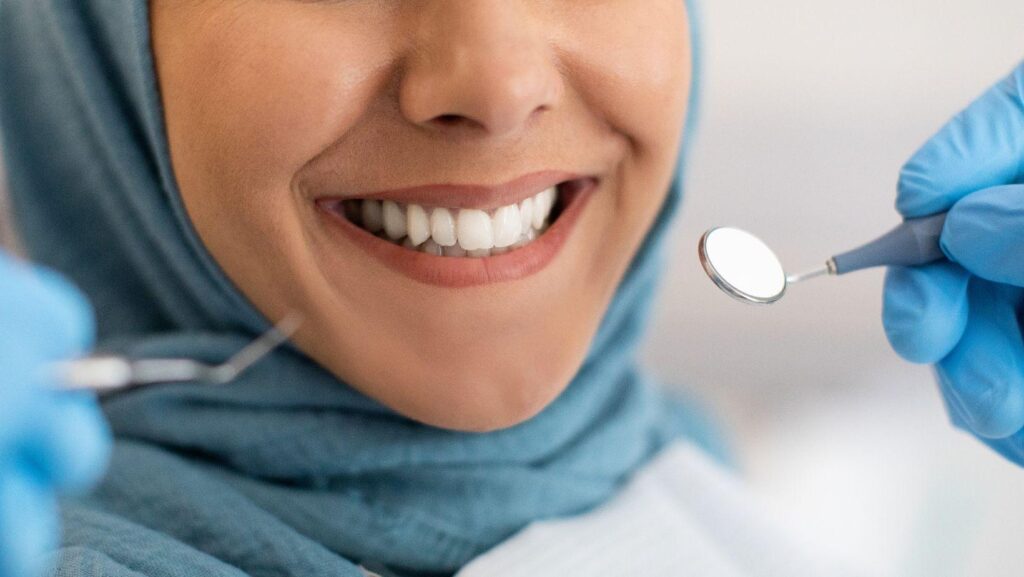
Most folks kick off a smile makeover by booking a consultation with a cosmetic dentist. The right dentist listens to your goals, checks your teeth and bite, and lays out what's possible.
A solid first visit should leave you with a plan that balances looks, function, timing, and cost. You'll know if whitening, veneers, orthodontics, bonding, or some combo makes sense for you.
This article explores how different treatments come together in a plan. We'll look at picking a Wilmington cosmetic dentist—a practice like Otero Cosmetic and Implant Dentistry in Wilmington, NC—what to expect at your first visit, and how to budget and schedule everything so your new smile fits your life.
Understanding Smile Makeover Solutions
You’ll see which treatments improve color, shape, alignment, and function. These options can also boost comfort and your long-term oral health.
Let’s break down common procedures, their practical benefits, and the main issues each one tackles.
Types of Cosmetic Dental Treatments
Veneers and crowns reshape teeth. Porcelain veneers cover the front to hide chips, gaps, and stains, matching your natural shade.
Crowns cover a damaged tooth when strength is an issue. Whitening and bonding fix color and small flaws.
In-office whitening lifts deep stains fast. Composite bonding repairs chips and lengthens teeth in just one visit.
Orthodontics and implants help with alignment and missing teeth. Clear aligners quietly move teeth over several months.
Dental implants replace missing roots and support crowns or bridges. Sometimes, combining treatments works best.
You might start with whitening to set a base shade. Then, you could refine shape with veneers or bonding, and use clear aligners to straighten things out before finishing with restorations.
Benefits of a Smile Transformation
You’ll see a better appearance and reliable results. Matching tooth shape, size, and color creates a balanced smile that looks great in photos and works well day-to-day.
Crowns and implants make chewing easier and protect your other teeth from too much wear. Fixing bite problems with orthodontics can ease jaw strain and sensitivity.
Long-term dental health often gets a boost. Fixed restorations and straighter teeth are simpler to keep clean, which lowers your risk for decay and gum disease.
Plenty of people say their confidence goes up, and that can spill over into work and social life.
Common Concerns Addressed
Stains and discoloration? Professional whitening and porcelain veneers tackle deep stains that drugstore products just can’t touch.
Chips, gaps, and uneven teeth? Bonding, veneers, and crowns close spaces and rebuild worn or broken edges with less hassle than you might think.
Missing or misaligned teeth? Implants replace missing roots for stability, while clear aligners or orthodontics straighten things out before the finishing touches.
Sensitivity and bite issues? Adjusting your bite or doing orthodontic or restorative work can cut pain and stop more damage.
Make sure to talk costs, timelines, and upkeep with your dentist. Setting expectations up front saves headaches later.
Choosing An Experienced Cosmetic Dentist in Wilmington
Find a dentist with real training, solid case results, and patient reviews that match what you’re after. Focus on folks who actually perform the procedures you need—veneers, Invisalign, implants, or full-mouth makeovers.
Evaluating Professional Qualifications
Check that the dentist is licensed in Delaware. Look for extra credentials in cosmetic dentistry, prosthodontics, or implantology.
Memberships in groups like the AACD or ADA show they keep up with education, but dig into which courses or residencies they’ve done for the treatments you want.
Ask if the dentist uses digital tools—CBCT scans, intraoral scanners, or smile design software. These make planning smoother and results more predictable.
Find out if the whole clinical team—lab techs, hygienists, assistants—regularly works on cosmetic cases. Teams with experience tend to avoid hiccups and move things along faster.
Book a consultation to talk treatment plans, timing, and any guarantees. Notice if the dentist explains risks, alternatives, and maintenance clearly.
Written cost breakdowns and timelines are good signs.
Reviewing Before-and-After Results
Ask to see before-and-after photos for cases like yours. Look for consistent results—natural tooth shapes, even gum lines, and good color matching across different patients.
If you have worn, crooked, or missing teeth, ask about cases that started the same way. Check that the photos are well-lit and clearly show the changes.
See if you can view the whole process—initial, in-between, and final photos. This helps you judge how they manage complex steps, like doing orthodontics before veneers.
If they offer digital simulations, compare those to real finished cases. Ask about any cases that needed retreatment or ran into problems, and how the office handled them.
Honest answers here go a long way.
Considering Patient Testimonials
Read up-to-date reviews on Google, Yelp, and the practice’s own site. Look for patterns in what people praise or complain about.
Pay attention to comments about communication, pain control, scheduling, and whether the results matched what was promised.
During your visit, ask if you can speak with previous patients who had similar work done. A quick call can tell you how their comfort, function, and confidence changed over time.
Ask about follow-up care and how the practice handled tweaks or warranty fixes. Notice if reviews mention rushed visits, surprise fees, or fantastic bedside manner.
Prioritize offices where folks describe clear explanations, honest timelines, and dependable aftercare.
Preparing for Your Smile Consultation
Know what health checks and style choices you’ll be discussing. Bring your latest dental records, a list of any medications, and some photos of smiles you admire.
Assessing Oral Health Basics
Your dentist will check your teeth, gums, and how your bite fits together. Expect a look over your mouth, some gentle poking around your gums, and a bite check to spot cavities, gum issues, tooth wear, or misalignment that need fixing before cosmetic work.
Bring recent X-rays or ask for new ones if it’s been a while. They might snap digital photos or scan your mouth to document where things stand.
Jot down your medical and dental history—meds, allergies, past dental work, and any jaw pain or sensitivity. That info helps the team decide which treatments should come first.
Discussing Personal Aesthetic Goals
Be clear about what bugs you: color, shape, gaps, or maybe how much gum shows when you smile. Bring a few photos of smiles you like and highlight what stands out—brightness, proportions, symmetry.
Talk budget and timing right away. Ask which steps are musts versus nice-to-haves, and how many visits each will take.
See if you can get digital previews or temporary mock-ups before making big decisions. Discuss long-term care and what’s realistic for results.
Ask about warranties, how long veneers or crowns usually last, and whether you’ll need whitening touch-ups, retainers, or night guards to protect your new smile.
Budgeting and Scheduling Your Smile Makeover
Figure out costs, payment options, and appointment order early so you can fit treatment into your budget and schedule. Some procedures are one-and-done, while others need to be spaced out.
Estimating Cost and Payment Options
Prices vary: professional whitening runs $200–$800, porcelain veneers $900–$2,500 per tooth, Invisalign or braces $3,000–$7,000, crowns $800–$1,800 each, and implants $3,000–$6,000 per implant.
Ask your Wilmington dentist for a detailed estimate with all fees and follow-up visits listed. Check if your dental insurance covers any of it—usually, only restorative work gets partial coverage, while cosmetic stuff is out-of-pocket.
Ask about in-office financing, medical credit like CareCredit, or payment plans that break up the cost. Get a written treatment plan with payment dates tied to progress.
Find out about refunds, guarantees, and extra charges if things get complicated or need tweaks. It’s better to know now than get surprised later.
Understanding Treatment Timeline
Your treatment timeline really hinges on which procedures you choose and whether you need extra steps like gum work or tooth extractions.
Simple whitening? That might wrap up in just one or two visits. But if you're aiming for a full smile makeover—think veneers, braces, or implants—you could be looking at anywhere from 6 to 18 months.
It's helpful to map out the big milestones: consultation, imaging, any prep like gum or restorative care, then the main cosmetic steps, and finally, tweaks and adjustments.
If you're going the orthodontics route, you'll probably come in every 4 to 8 weeks for aligner or brace adjustments.
Implants take patience. There's usually a healing phase of about 3 to 6 months between placing the implant and getting the crown.
Definitely ask your provider for a calendar that spells out appointment times and what to expect for recovery. Try to leave some wiggle room in your plans—sometimes you need extra healing, or the lab might need to remake something.