
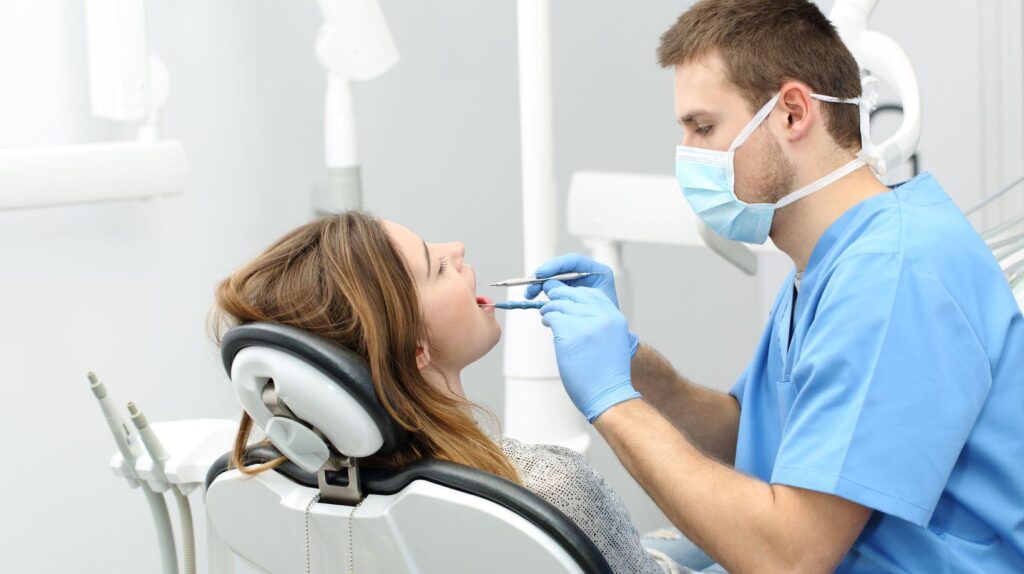
Picking a dentist in Minot doesn’t have to be a shot in the dark. Focus on practical questions about the dentist’s experience, patient comfort, and how the office runs day to day.
Ask about the dentist’s background, how the team keeps patients comfortable, and whether things like appointment times, insurance, and emergency care work for your schedule. Those answers can tell you a lot about whether a clinic is worth your time.
You’ll want to see how the staff communicates, what tech they use, and what other patients say about their experiences. Checking these details against a dentist in Minot, ND like this one helps you judge whether it’s the right fit before you book. These details can really shape your visit, for better or worse.
Criteria for Evaluating Dental Practices
Look at qualifications, the services you need, and how the office keeps patients safe. These areas affect your care quality, whether you can get specialized treatments, and how safe you’ll feel during visits.
Credentials and Training of Dentists
Check the dentist’s degree—DDS or DMD—and where they trained. State licensing and board standing prove they’re legally practicing.
See if they take continuing education or have specialty training like orthodontics or endodontics. Memberships in dental groups show they’re staying current.
Ask about their experience with the procedures you might need, like implants or pediatric care. You can look up credentials on state dental board sites, Healthgrades, or WebMD, and read recent patient reviews to see if their results and communication seem consistent.
For new dentists or associates, see if experienced clinicians supervise or mentor them. If you or your family have complex medical needs, find out if the dentist understands those conditions and any medication interactions.
Range of Dental Services Provided
Write down the core services you expect: cleanings, digital X-rays, fillings, crowns, root canals, extractions, and pediatric care. Make sure the practice offers restorative and cosmetic options if you want crowns, veneers, or implants—ask if they do these in-house or refer you out.
For more specialized needs, see if they have on-site endodontics, oral surgery, or orthodontics, or a reliable referral network. Ask if they offer sedation options for anxiety or tough procedures, and whether they do same-day crowns or use intraoral scanners and 3D imaging.
Check their billing and insurance rules for big procedures. Clear estimates, payment plans, and preauthorization for things like implants or braces can really impact your planning.
Sterilization and Safety Standards
Ask how they sterilize instruments—do they use autoclaves and sealed packs for each patient? Confirm they use single-use disposables for needles and similar items, and that their staff follows written infection-control protocols that match CDC and local health rules.
Look around the treatment room: do you see fresh barriers and staff wearing masks, gloves, and eye protection? That’s a good sign they take safety seriously.
If you worry about air quality, ask about high-efficiency filtration or UV systems. For COVID or other airborne risks, see what extra steps they take during aerosol-generating procedures and how they screen patients with symptoms.
You can even ask to see their last infection-control audit or certification if you want proof.
Patient Experience and Comfort
You should get clear info about pain options, cost, and care, plus an office setup that doesn’t stress you out. These things really shape how your visits feel.
Approach to Pain Management
Ask what pain-control methods they use for cleanings, fillings, and extractions. Do they offer topical anesthetics, local injections, nitrous oxide, or oral sedatives? Which procedures need which options?
Check who gives and monitors sedation, and if the staff has emergency training and the right equipment. See if they use electronic anesthetic systems for gentler injections or give you tips before your visit to reduce sensitivity.
Ask how they help with anxiety: do they offer shorter appointments, breaks, or noise-cancelling headphones? Also, what about aftercare—do they give written instructions, clear prescription rules, and are they available for same-day concerns?
Patient Communication and Transparency
You deserve clear cost estimates, treatment timelines, and alternatives before you say yes to anything. Ask for a written estimate with procedure codes, your out-of-pocket costs, and what insurance usually covers.
Find out how the team explains findings—will they show you intraoral photos, X-rays with notes, or use visual aids for your options? Ask if you meet with the dentist for planning, or mostly talk to a treatment coordinator.
Check their scheduling and follow-up rules: how do reminders work, are there cancellation fees, and how do they handle urgent care after hours? Make sure you can get your records, printed or electronic, to review if you want.
Office Atmosphere and Amenities
Look at how the office feels from the moment you walk in. Is parking easy? Are wait times reasonable? Does the front desk handle check-in and insurance smoothly?
See if they offer things that matter to you: comfy seating, private rooms, music or streaming, blankets, or kid distractions. Notice if the place looks clean and staff follow visible sterilization steps.
Check for accessibility features like ramps, wide doors, and ADA-compliant restrooms. Do their hours fit your work or school schedule? Read some recent patient reviews about friendliness and wait times to see if what they say matches your experience.
Practical Considerations When Choosing
Think about convenience, insurance, and appointment flexibility. Proximity, accepted plans, and hours that fit your life really matter.
Location and Accessibility
Pick a clinic within 10–20 minutes of home or work to avoid missed appointments and travel stress. Is it on a main road you use? Is the signage clear? Do they have easy parking or a drop-off spot?
If you use public transit, check for nearby bus routes or rideshare options. If mobility’s an issue, look for ground-floor entrances, ramps, wide doors, and ADA restrooms. Ask if you can get to the treatment room in a wheelchair or stretcher if needed. Evening or weekend hours can make things easier if weekdays are tough.
Accepted Insurance Plans
Make sure the practice accepts your plan and check if they’re in-network or out-of-network. Ask for the exact plans they take, typical co-pays for cleanings and exams, and whether they file claims for you. Get written or emailed estimates for common treatments like fillings, crowns, or root canals.
If you have Medicaid, Medicare Advantage, or a high-deductible plan, ask which services are covered and whether they offer sliding-scale fees or in-house financing. For implants or braces, ask for a detailed cost breakdown and how much your insurer typically pays.
Flexible Scheduling Options
If your work or school schedule jumps around, look for offices that offer early morning, late evening, or even Saturday appointments. Some practices in Minot post their hours and availability right on their sites, which makes things easier.
Ask if they offer same-day sick appointments and what the usual wait time is for routine hygiene visits. Can you book online? Do they send text confirmations or email reminders? Those little things really help you avoid missing appointments.
Check out their cancellation policy, and see if they charge fees for missed visits. If you often need longer or frequent procedures, find out if they’ll let you schedule consecutive blocks so you don’t have to keep coming back.
It’s also worth asking if they have emergency after-hours contact or a local on-call dentist. You never know when you’ll get hit with sudden tooth pain or swelling.