
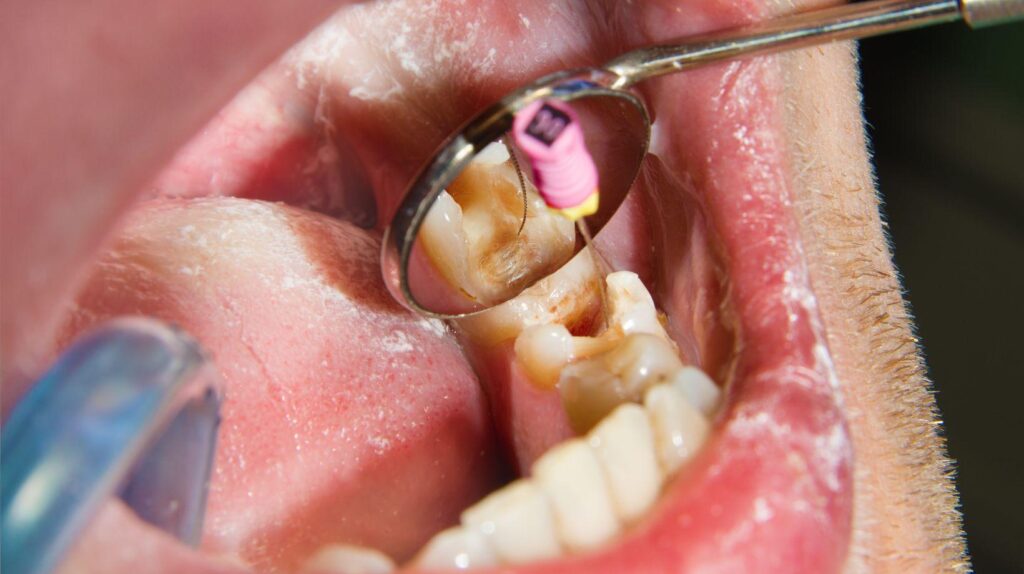
A failed root canal or a cracked root can feel like a sudden emergency, but you don’t always need to try to save the tooth at any cost.
Sometimes replacement—usually with an implant or bridge—gives you a stronger, longer-lasting result with fewer surprises down the road.
If the root is fractured, the tooth has repeat infections, or retreatment and surgery offer low success, replacing the tooth often makes more sense for your long-term health and function. In those cases, dental implants by Berkshire Smile Studio in Pittsfield, MA can restore both the root and crown for a result that often outlasts a struggling natural tooth.
This article digs into the main factors your dentist will look at, the replacement options you’ve got, and what you might expect for recovery and long-term results. Hopefully, you’ll feel better equipped to make a solid, practical choice for your mouth.
Key Factors Influencing Treatment Decisions
You need to check how much tooth is left, the odds of retreatment working, and any health risks that could mess with healing.
Weigh if saving the tooth truly helps you, or if an implant or extraction is safer and more predictable.
Assessment of Tooth Structure and Damage
Start by looking at what’s left of the tooth.
If you see big root fractures, a vertical crack that reaches the root, or thin root walls, retreatment probably won’t hold up.
Cracks that go below the gumline or into the furcation usually mean extraction is the better route.
Think about whether the tooth can even be restored.
You need enough crown and ferrule (about 1–2 mm of solid tooth above the gum) to support a new crown or post.
If putting in a post would just weaken the root more, replacement usually makes more sense.
Check the gums and bone too. Severe bone loss or deep pockets lower your odds for a lasting fix.
Imaging helps a ton.
A CBCT scan can show hidden fractures, missed canals, and how much bone you’ve really lost.
Use those details to figure out prognosis and talk honestly with your dentist about what’s realistic.
Evaluate Success Rates of Retreatment vs. Replacement
Compare how things might turn out.
Nonsurgical retreatment can work well if the main issue was a missed canal or lingering infection.
But if there are big lesions or the tooth never got a good permanent crown, retreatment success drops.
Surgical endodontics (apicoectomy) sometimes saves teeth with small apical problems.
Still, if the root anatomy is weird or hard to reach, success drops fast.
Dental implants and single-tooth restorations usually have high survival rates and pretty predictable function, especially when the tooth is unrestorable or badly damaged.
Long-term maintenance matters.
Retreatment keeps your natural tooth feel, which some people love, but implants mean fewer future endodontic visits.
Talk about real success rates, what kind of follow-up you’ll need, and what each path could mean over the next 5–10 years.
Patient Health and Risk Considerations
Take a close look at your medical history and meds.
Conditions like uncontrolled diabetes, heavy smoking, or immune suppression make healing from surgery or implants harder.
These risks might tip the scales toward one option or another.
Think about how many appointments you’re willing to handle.
Retreatment often takes several visits, sometimes with surgery.
If you want fewer trips or a quicker fix, extraction with implant or bridge could suit you better.
Money and time count, too.
Implants usually cost more up front and take months to finish.
Retreatment might be cheaper but could lead to more work later.
Consider anesthesia, antibiotics, and how each option fits your life and wallet.
Replacement Options After Root Canal Failure or Root Fracture
If saving the tooth isn’t in the cards, you still have solid options to get your smile and bite back.
Each choice has its own pros and cons—cost, surgery, time, and long-term results all play a part.
Dental Implants as a Preferred Choice
A dental implant acts as a new root—a titanium post goes into your jawbone.
You end up with a sturdy base for a crown that looks and feels pretty natural.
Implants don’t mess with nearby teeth since they don’t need support from adjacent crowns.
Plan on 3–6 months from implant placement to the final crown, especially if you need bone healing or grafting.
You’ll have local surgery, some swelling, and a short recovery.
Success rates are usually over 90% if your bone and oral health are good.
But smoking, uncontrolled diabetes, or major bone loss can raise risks.
Talk with your dentist about implant size, crown material (porcelain or zirconia), and what it’ll cost.
Bridges and Partial Dentures
A fixed bridge uses crowns on the teeth next to the gap to hold a false tooth.
You get a quick, non-surgical fix in just a couple of visits.
Downside? The dentist has to shape your healthy adjacent teeth, and bridges put extra stress on them.
A removable partial denture clips onto nearby teeth and costs less up front.
It keeps your natural teeth untouched, but can feel bulky and needs daily removal and cleaning.
Go for a bridge if your neighboring teeth are strong and you want something stable.
Choose a partial denture for lower cost, fast replacement, or if you’re missing several teeth.
Timing and Healing Considerations
If infection or fracture left you with bone loss, you might need extra steps before replacement.
Bone grafting, socket preservation, or sinus lift could add 3–9 months to your treatment.
Your dentist will take X-rays or a CBCT scan to check bone volume and plan the timeline.
If you have an active infection, your dentist will treat it first—maybe with drainage, antibiotics, or extraction—then let things heal for a few weeks.
Temporary restorations can keep your bite and appearance protected while you wait.
Plan on some follow-up visits to check healing, see if the implant’s integrating, and get ready for the final restoration.
Long-Term Prognosis and Patient Outcomes
Your long-term results really depend on whether you retreat and keep the tooth or go for an implant-supported crown.
Tooth structure, infection, restoration quality, and your overall health all play a role.
Functional and Aesthetic Results
If your tooth structure is solid and retreatment works, you can keep that natural chewing feel.
A properly restored tooth with a full crown usually matches your other teeth pretty well.
But if there’s a cracked root or a lot of structural loss, the odds of lasting function drop.
Teeth with deep cracks or big posts often fail again, causing pain or breaking.
Implants handle chewing force well and don’t get cavities.
They can look great if your dentist and lab use good materials and techniques.
But you’ll need enough bone, and sometimes that means extra grafting and healing time.
Cost-Benefit Analysis
Retreatment usually costs less up front than an implant plus crown.
It often means fewer surgeries and a quicker recovery.
But if the tooth fails again, you might end up needing an extraction and then an implant anyway, which adds to the total expense.
Implants cost more at first, especially if you need grafts and a crown.
Still, they often need less work down the line.
Think about your insurance, your age, and how long you want the fix to last when you’re comparing the total cost and value.
Impact on Oral Wellbeing
Keeping a natural tooth lets you feel pressure and sensation through the periodontal ligament. That helps you notice changes while chewing and can even alert you to new issues before they get serious.
But if an infected or loose tooth sticks around, it can actually damage nearby tissues. Your overall oral health could take a hit.
If a root fails, swapping it for an implant can stop those stubborn infections from coming back. Implants also help keep your bite stable for years.
Implants won’t get cavities, which sounds great, but you still need to keep them clean. If you slack on hygiene, peri-implantitis can sneak up on you.
How things work out depends a lot on your medical history, whether you smoke, and how well you look after your mouth. No option is perfect for everyone, honestly.